For the past few years, the CRE conversation has centered on repricing—cap-rate shifts, interest-rate pressure, and constant recalibration in the capital markets. As 2026 approaches, a different reality is taking hold. Performance gains are no longer coming from acquisitions; they’re coming from how assets are run. With expenses rising across the board, operational discipline is becoming the factor that separates durable performers from vulnerable ones.
The strain is visible across every major cost line. MRI Software’s 2025 Market Insights report found that multifamily operating expenses rose roughly 6% year-over-year in 2024, outpacing rent growth in several large metros and tightening NOI. Insurance, once relatively stable, has introduced new volatility. In some regions, premiums have climbed more than 250% over the past decade as carriers reprice around climate exposure and loss patterns. Even office—already burdened by structural challenges—is seeing rising operating costs. New York Life Investments projects same-unit office expenses will increase about 3% annually through 2025 and 2026.
With revenue growth slowing and lenders scrutinizing every assumption, these trends impose real limits on performance. This shift is why asset management has moved to the center of CRE strategy.
Appreciation can no longer be counted on to drive returns. The most reliable gains now come from improving how buildings perform day to day. Energy and systems optimization remains one of the most straightforward opportunities.
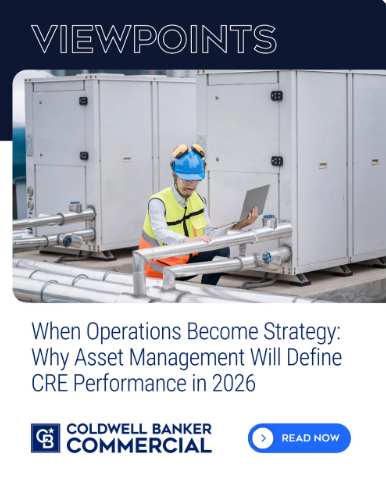
Many assets still rely on inefficient HVAC, outdated lighting, inconsistent metering, or legacy controls that waste money and energy. Targeted upgrades—smart thermostats, submetering, automated controls—now deliver more immediate returns, amplified by utility incentives and insurer preferences for resilient buildings.
Maintenance strategies are evolving as well. Reactive repairs bring higher costs, more downtime, and tenant frustration. Owners who monitor equipment performance and intervene before failure reduce emergencies, smooth capital expenditures, and maintain steadier building operations.
Tenant experience is another operational lever with direct financial impact. Buildings with the strongest retention aren’t always the ones with the newest amenities; they’re the ones with dependable systems and responsive management. Clear communication, prompt repairs, and stable building performance reduce turnover, shorten vacancy periods, and keep cash flow steady—critical advantages in a margin-compressed environment.
Lenders and institutional partners are taking note. Debt providers are examining expense control and operational efficiency with sharper precision, and equity partners want evidence that sponsors can protect performance through management—not just acquisitions. With capital costs unlikely to return to 2021 levels, investors are focusing on operators who demonstrate discipline, foresight, and consistency.
For owners preparing for 2026, now is the moment to reassess operational priorities. Conduct a portfolio-level review of expenses and identify where inflation has overtaken assumptions. Evaluate systems for achievable efficiency gains. Shift maintenance from reactive to anticipatory wherever possible. And treat tenant experience as a measurable component of asset value rather than an intangible.
In a market defined by repricing and tighter margins, the strongest performers will be those who run their assets with precision.